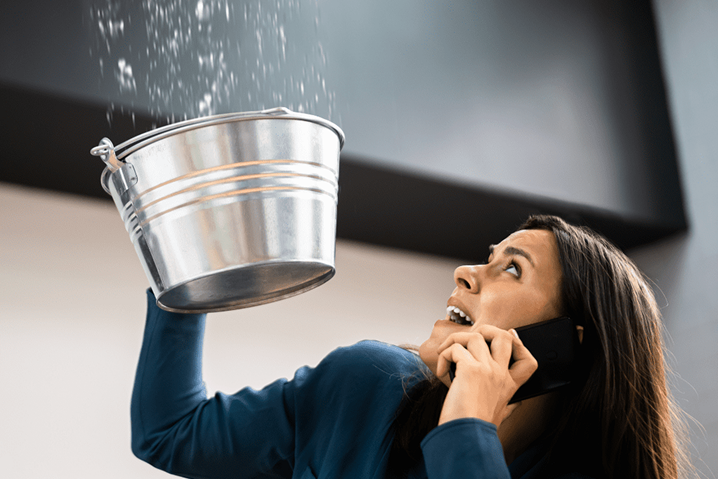
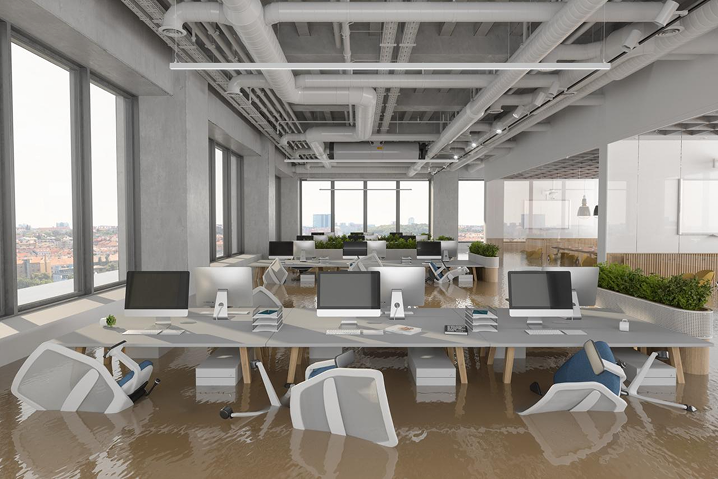
The first step is to evaluate the severity of the water damage. Determine the source of the water and whether it’s safe to remain in your home. If the water is clean, such as from a burst pipe, you can begin the cleanup process. However, if the water is contaminated, like floodwater, evacuate the area and call professionals immediately.
Understanding the type of water involved is also important for your health and safety. Clean water from a burst pipe is less of a health risk compared to greywater from appliances like dishwashers or blackwater from sewage backups. The level of contamination will dictate your next steps and the urgency of professional intervention.
Safety First
Ensure your safety and that of your family before attempting any cleanup. Turn off the electricity and gas supply to prevent accidents. Wear protective gear like gloves and boots if you need to enter the affected area.
Be mindful of structural safety as well. Water damage can weaken floors and walls, leading to potential collapse if too much weight is placed on them. Always approach water-damaged areas with caution, and if you suspect structural instability, contact a professional water damage restoration company immediately.
Stop the Water Source
Once you’ve ensured safety, locate and stop the water source to prevent further damage. If a burst pipe is the culprit, shut off the main water valve. For roof leaks, a temporary patch can prevent more water from entering until you can get professional help.
Stopping the water source promptly not only limits additional damage but also makes the cleanup process more manageable. If you’re unable to identify the source, or if stopping it requires more expertise than you possess, don’t hesitate to call a plumber or a water damage restoration professional.
Document Damage
Before beginning any cleanup or repairs, document the damage for insurance purposes. Take photos and videos of the affected areas, including personal belongings and structural damage. This evidence will be crucial when filing your insurance claim.
Thorough documentation should include date and time stamps, descriptions of items and areas affected, and any receipts or estimates for repair costs. This comprehensive record will support your claim and can expedite the insurance process, potentially leading to quicker compensation for your losses.
Begin Water Extraction
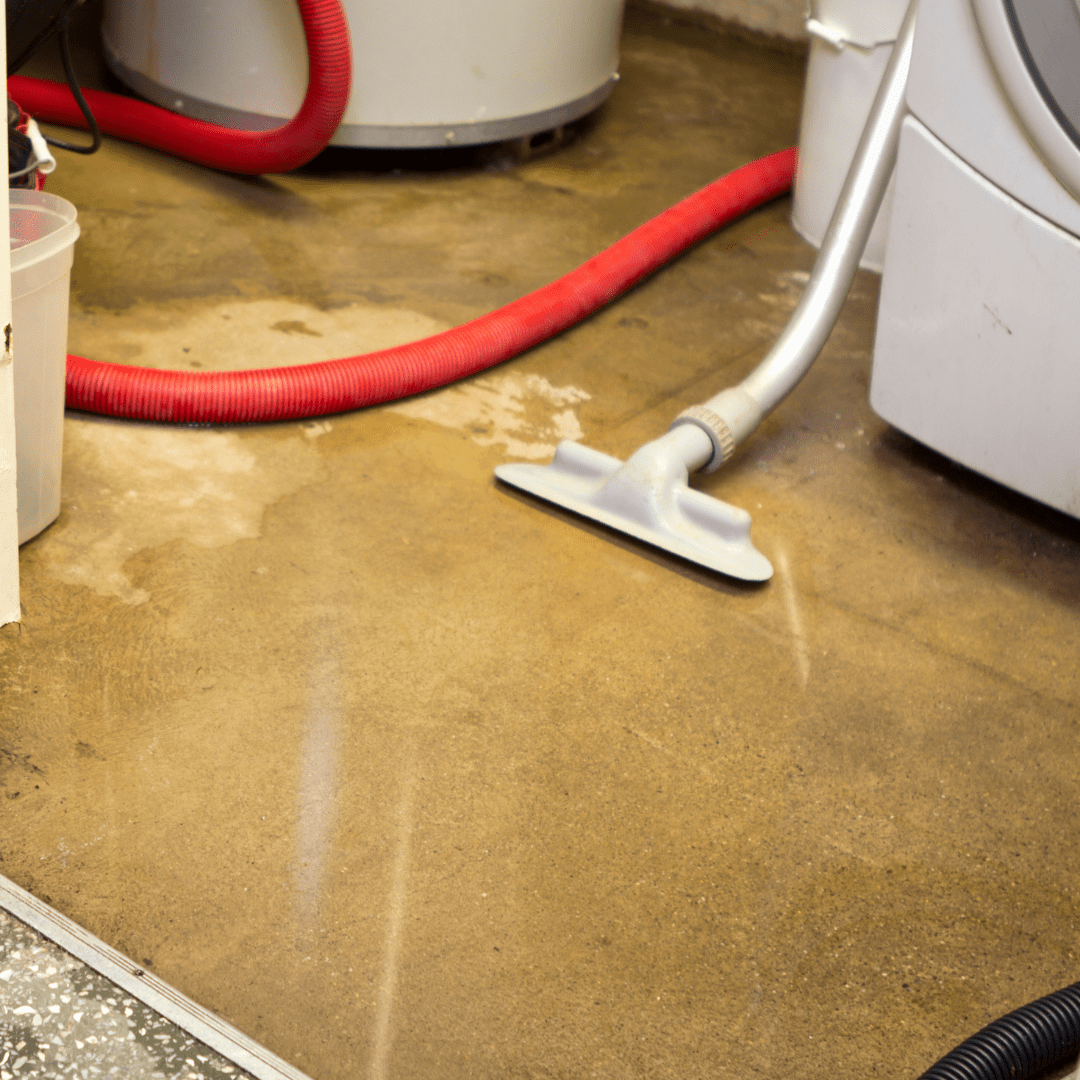
Water extraction is the next critical step. Removing standing water quickly can prevent further damage and reduce the risk of mold growth. Use a wet/dry vacuum or hire a professional water damage restoration service for efficient water extraction.
DIY Water Extraction
For minor water damage, you can attempt DIY water extraction using household tools. Towels, mops, and fans can help in drying out the area. However, for extensive damage, professional water restoration services are recommended.
While DIY methods can be effective for small areas, they may not address moisture trapped in hidden places. Professionals use specialized equipment like submersible pumps and industrial vacuums designed to remove large volumes of water efficiently, ensuring a more thorough extraction.
Dry and Dehumidify
Once the standing water is removed, the drying process begins. Use fans, dehumidifiers, and open windows to circulate air and speed up drying. Pay attention to hidden areas like under carpets, behind walls, and inside cabinets, as moisture can linger and cause mold.
Professional Drying Services
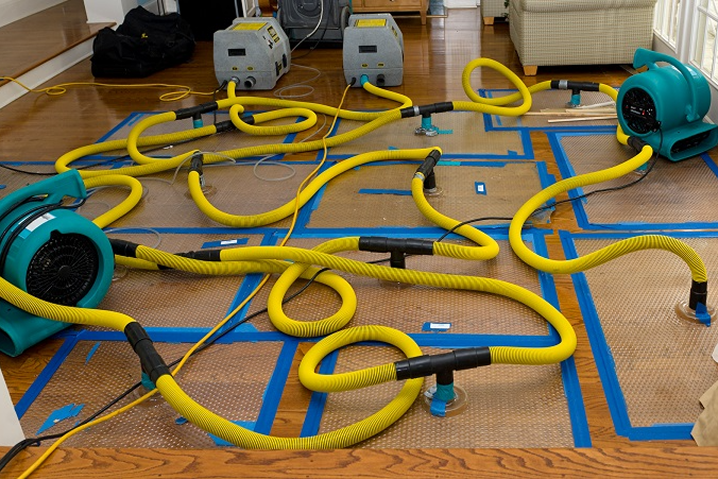
Professional water mitigation services use advanced equipment to ensure thorough drying. They have industrial-grade dehumidifiers and air movers that can dry out your home more effectively than household tools.
Professionals also use moisture meters to detect dampness in areas that might not be immediately visible, ensuring no spot is left untreated. This meticulous approach helps prevent mold growth and further structural damage, safeguarding your home’s integrity.
Clean and Disinfect
After drying, it’s crucial to clean and disinfect the affected areas. Water damage can bring in contaminants that pose health risks. Use a mixture of water and bleach or a professional disinfectant to clean all surfaces. This step will help prevent mold growth and eliminate any harmful bacteria.
Disinfection should extend to all affected items, including furniture, clothing, and personal belongings. Items that cannot be thoroughly cleaned or dried should be discarded to prevent the spread of bacteria or mold, particularly in cases involving contaminated water.
Inspect for Mold
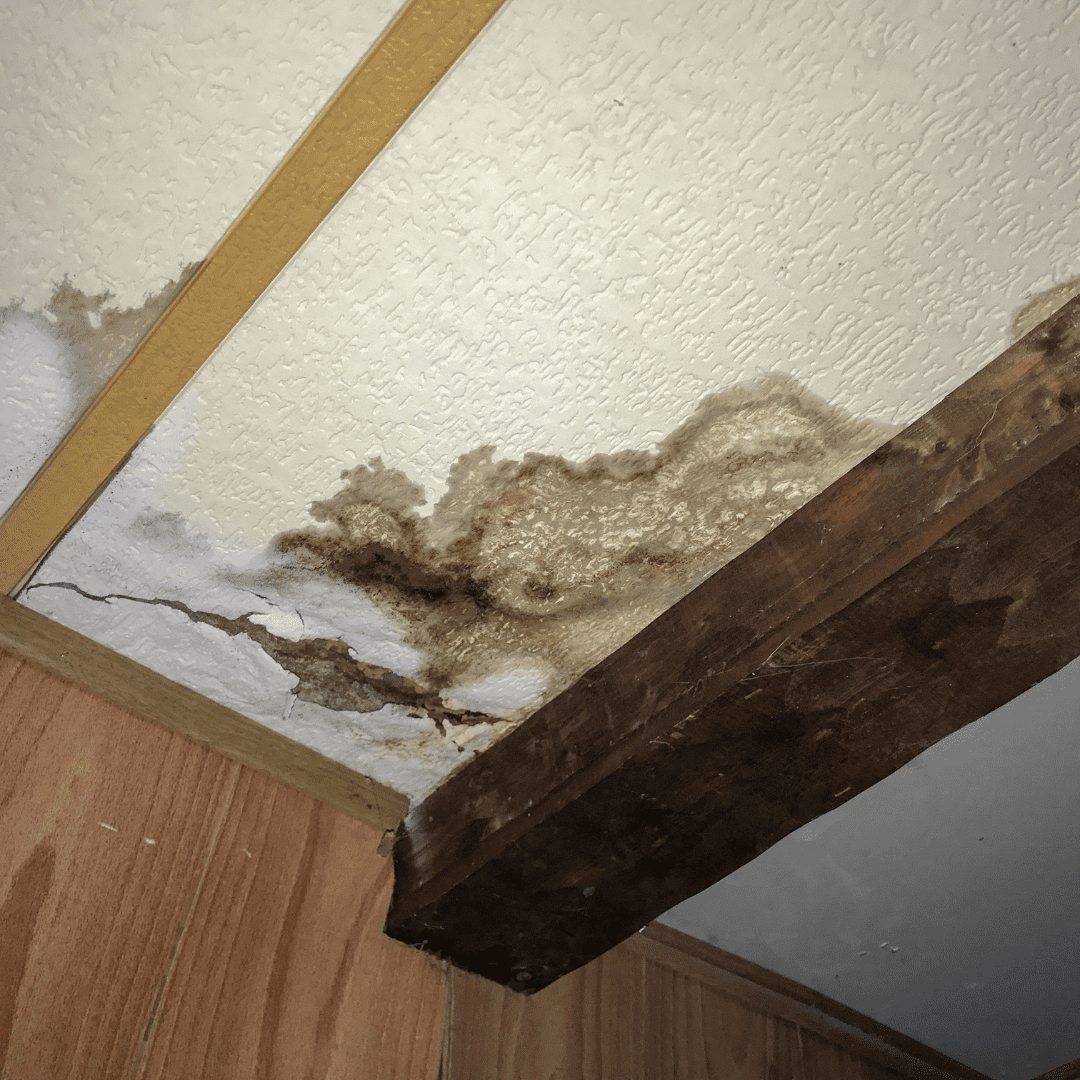
Mold can develop within 24 to 48 hours after water damage. Inspect your home thoroughly for any signs of mold, such as a musty odor or visible growth. If you find mold, it’s best to contact a professional mold remediation service to handle the issue safely.
Regular inspections for mold should continue even after initial remediation efforts, especially in areas prone to moisture. Mold can cause serious health issues, and professional services ensure proper identification and removal to prevent recurrence.
Repair and Restore
Once your home is dry and clean, it’s time to repair and restore damaged areas. This may involve replacing drywall, flooring, or insulation. Depending on the extent of the damage, you might need a professional contractor to ensure the repairs are done correctly.
Water Damage Repair Tips
- Drywall and Insulation: Remove and replace any wet drywall and insulation to prevent mold.
- Flooring: Depending on the material, flooring may need to be replaced or thoroughly dried and cleaned.
- Furniture and Belongings: Clean and dry all personal items. Some may need professional cleaning or replacement if severely damaged.
Restoration is an opportunity to improve your home’s resilience against future water damage. Consider using water-resistant materials and improving drainage systems to enhance protection and reduce future risks.
Prevent Future Water Damage
Taking steps to prevent future water damage is essential to protect your home. Regular maintenance and inspections can identify potential problems before they cause significant damage.
Prevention Tips
- Regular Inspections: Check for leaks in pipes, roofs, and appliances regularly.
- Install Water Detection Devices: These devices alert you to leaks or water issues early.
- Maintain Gutters and Downspouts: Ensure they are clean and direct water away from your home.
Investing in these preventive measures not only safeguards your home but can also reduce insurance premiums. Prevention is always more cost-effective than repair, so proactive steps are crucial in maintaining your home’s integrity.
Contact Your Insurance Provider
After addressing the immediate concerns, contact your insurance provider to file a claim. Provide them with the documentation you collected and any repair estimates. They will guide you through the claims process to ensure you receive the compensation you need for repairs.
Working with Insurance Adjusters
Be prepared to work with an insurance adjuster who will assess the damage and your claim. Having detailed documentation will aid in getting a fair settlement.
Understanding your policy and coverage limits can also streamline the claims process. Be proactive in communicating with your provider and adjuster to ensure all aspects of the damage are covered, avoiding unexpected expenses.
Conclusion
Water damage in your home requires swift and decisive action to minimize its impact. By following these steps—from assessing the situation and stopping the water source to drying, cleaning, and repairing—you can effectively manage the aftermath of water damage. Remember, professional help is invaluable for extensive damage, ensuring your home is safe and restored efficiently.
Taking preventive measures can also protect your home from future incidents, giving you peace of mind. With the right approach, you can overcome the challenges of water damage and restore your home to its original condition. By being prepared and informed, you can mitigate the effects of water damage and safeguard your home against future incidents.
For expert water damage restoration services in the Weatherford area, contact our team at Premier Restoration and Construction today!