When a fire breaks out, the immediate threat is flames consuming everything in their path. However, the subsequent challenges often involve more than just the damage inflicted by fire itself. Water damage frequently follows closely on the heels of fire damage, creating a complex scenario for property owners. Understanding how these two forces of destruction are intertwined is crucial for effective restoration and recovery.
In this article, we’ll delve into the relationship between fire and water damage and explore effective repair and restoration strategies that can help mitigate the aftermath of such events.
The Dual Impact of Fire and Water Damage
The Fire’s Aftermath
Fire damage is not limited to burnt structures and charred belongings; it is multifaceted and can be profoundly destructive. The intense heat and smoke can cause significant structural damage, leaving properties weakened and unsafe. Beyond the obvious destruction, fires also leave behind soot and toxic residues that pose health risks to occupants and those involved in the cleanup process. Addressing these issues promptly is essential for safety and recovery, as lingering residues can lead to respiratory problems and other health issues.
Enter Water Damage
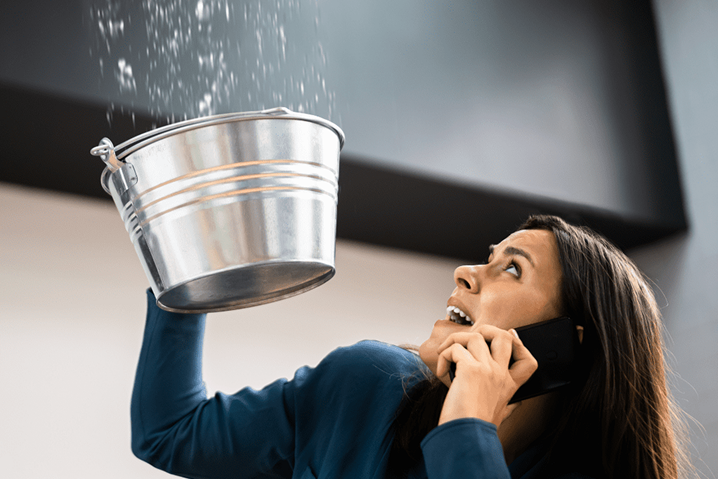
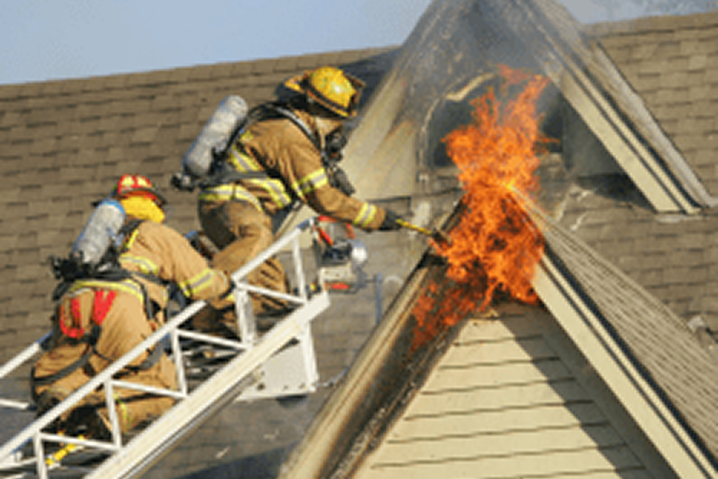
While fire is the initial concern, water often plays a significant role in post-fire scenarios. Firefighting efforts, which are crucial in saving structures and lives, involve the use of large volumes of water. This water, unfortunately, doesn’t just disappear after the fire is out; it saturates walls, floors, and personal belongings, leading to water damage. The aftermath of firefighting efforts can leave a property soaked, compounding the damage initially caused by the fire.
How Water Damage Compounds Fire Damage
Structural Integrity
Water can weaken the structural integrity of a building just as severely as fire. When water seeps into structural components like beams and walls, it can cause warping, swelling, and eventual collapse if not addressed quickly. This makes immediate water extraction and drying critical steps in the restoration process. The structural damage caused by water can be insidious, gradually worsening over time and potentially leading to catastrophic failures if not promptly addressed.
Mold Growth
One of the most insidious consequences of water damage is mold growth. Within 24 to 48 hours of water exposure, mold can begin to develop, posing serious health risks and further damaging the property. Mold remediation becomes a necessary part of the restoration process following a fire. Mold can spread rapidly, affecting not just the surfaces it grows on but also the air quality within the property, leading to respiratory issues and allergic reactions.
Fire Damage Repair Services: What to Expect
Initial Assessment
Reputable fire damage repair services start with a thorough assessment of the damage. This involves examining the extent of fire and water damage, identifying structural weaknesses, and determining what can be salvaged. A comprehensive plan is then developed to address all aspects of the damage. This initial assessment is crucial as it sets the foundation for all subsequent restoration efforts, ensuring that no detail is overlooked.
Soot and Smoke Removal
Soot and smoke residues can be incredibly challenging to clean and often require specialized equipment and techniques. Professional restoration services use advanced tools to eliminate these residues, ensuring the property is safe and odor-free. The removal of soot and smoke is not just about aesthetics; it is a critical health and safety concern, as these residues can be toxic.
Structural Repairs
Repairing structural damage involves more than just replacing burnt beams. It requires a detailed understanding of the building’s design and materials. Professionals carefully restore the building’s integrity while ensuring compliance with safety standards. This may involve reinforcing weakened structures, replacing damaged materials, and upgrading systems to prevent future vulnerabilities.
Water Damage Restoration: Key Steps
Water Extraction
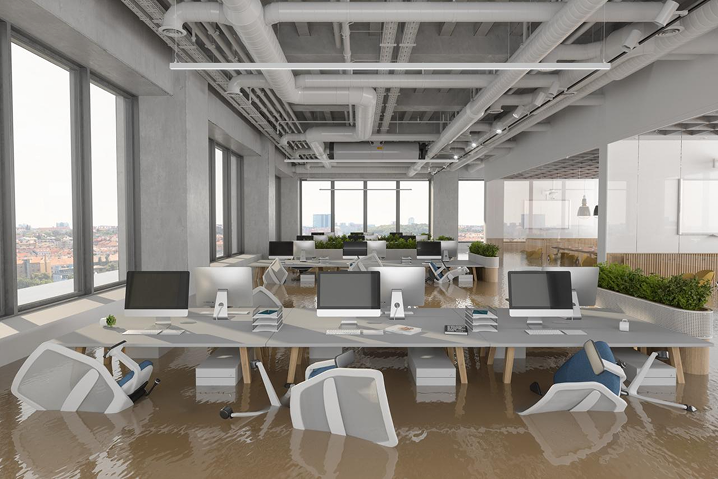
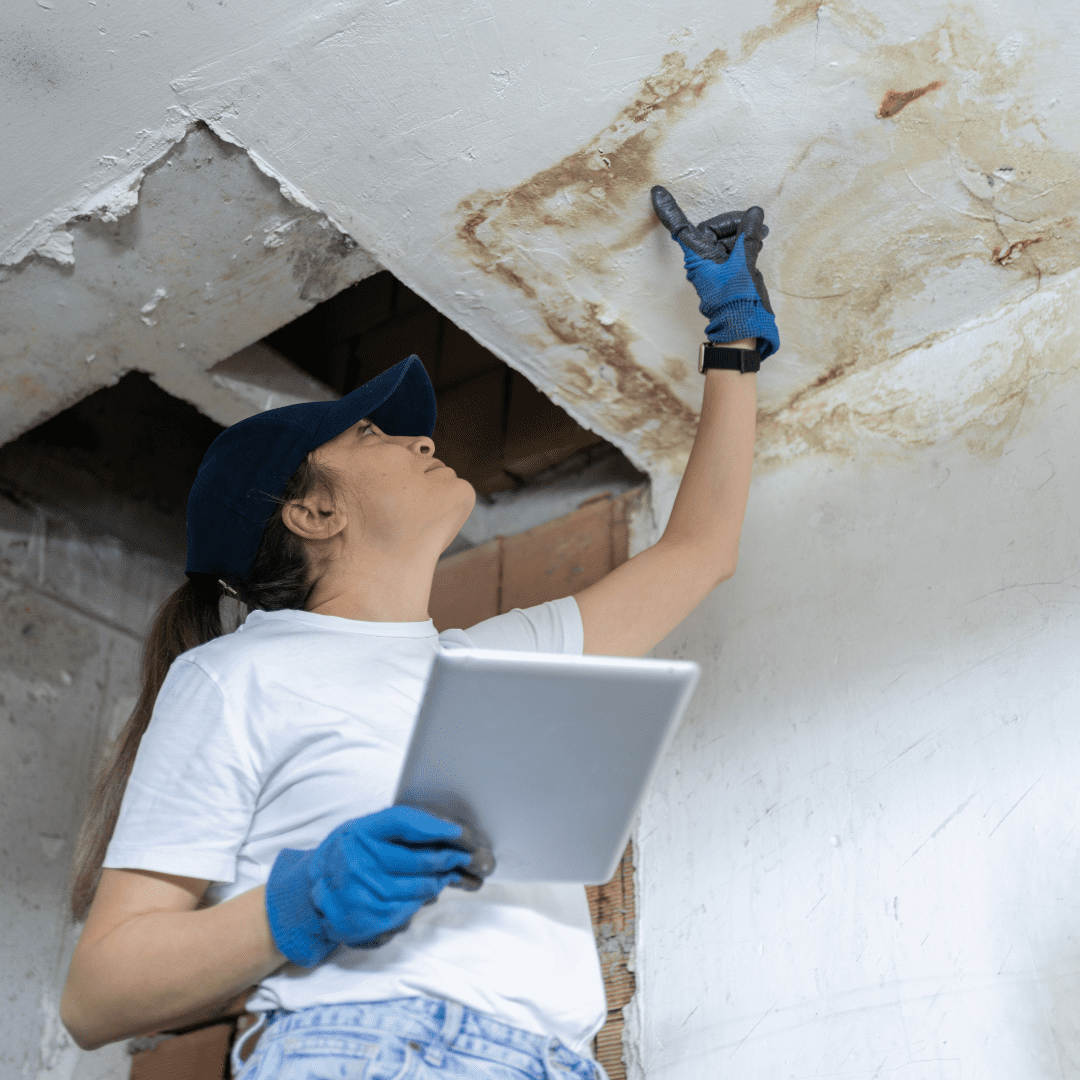
The first step in water damage restoration is removing all excess water. This involves using industrial pumps and vacuums to extract water quickly, preventing further damage and reducing the risk of mold growth. Prompt water extraction is critical, as standing water can cause extensive damage in a short period, affecting everything from flooring to electrical systems.
Drying and Dehumidification
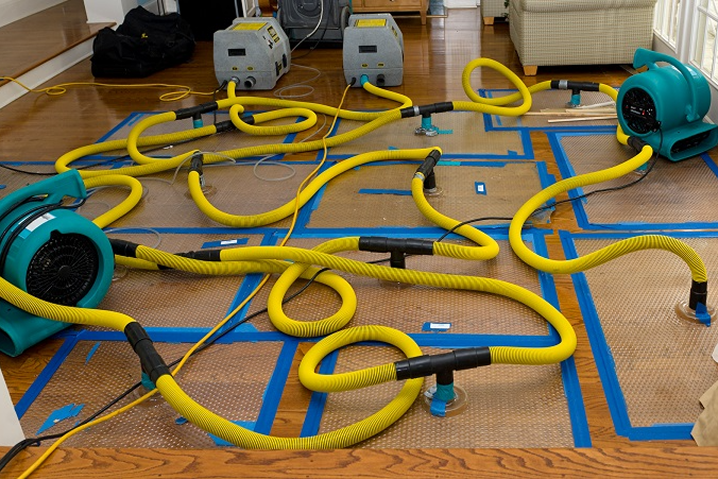
After water extraction, the focus shifts to drying and dehumidifying the affected areas. High-powered fans and dehumidifiers are used to remove moisture from the air and materials, a crucial step in preventing mold and further structural damage. The drying process is tailored to the specific needs of each property, taking into account the materials involved and the extent of the damage.
Cleaning and Sanitizing
Water damage can leave behind contaminants and unpleasant odors. Cleaning and sanitizing affected areas are essential to restoring a safe and healthy environment. This step often involves the use of antimicrobial treatments to prevent mold growth. Thorough cleaning and sanitization are crucial in ensuring that the property is free from harmful pathogens and allergens.
Fire and Water Damage Restoration: A Combined Approach
Coordinated Efforts
Given the intertwined nature of fire and water damage, a coordinated approach to restoration is vital. Professionals skilled in both fire and water damage repair can efficiently tackle the challenges presented by both types of damage, ensuring comprehensive recovery. This integrated approach allows for a more streamlined restoration process, minimizing downtime and disruption for property owners.
Insurance Coordination
Navigating insurance claims for fire and water damage can be complicated. Restoration companies often assist clients in documenting damage and working with insurance adjusters to ensure that claims are processed smoothly and that the restoration is covered. This support can be invaluable for property owners facing the stress of recovery, as it alleviates the burden of managing complex insurance processes.
Restoration professionals are experienced in dealing with insurance companies and can provide detailed documentation, including photographs, reports, and estimates, to support claims. They can also advocate on behalf of clients to ensure that they receive the full benefits to which they are entitled. This coordination can significantly ease the financial and logistical challenges of recovery, allowing property owners to focus on rebuilding and moving forward.
Preventive Measures and Future Preparedness
Fire Safety Measures
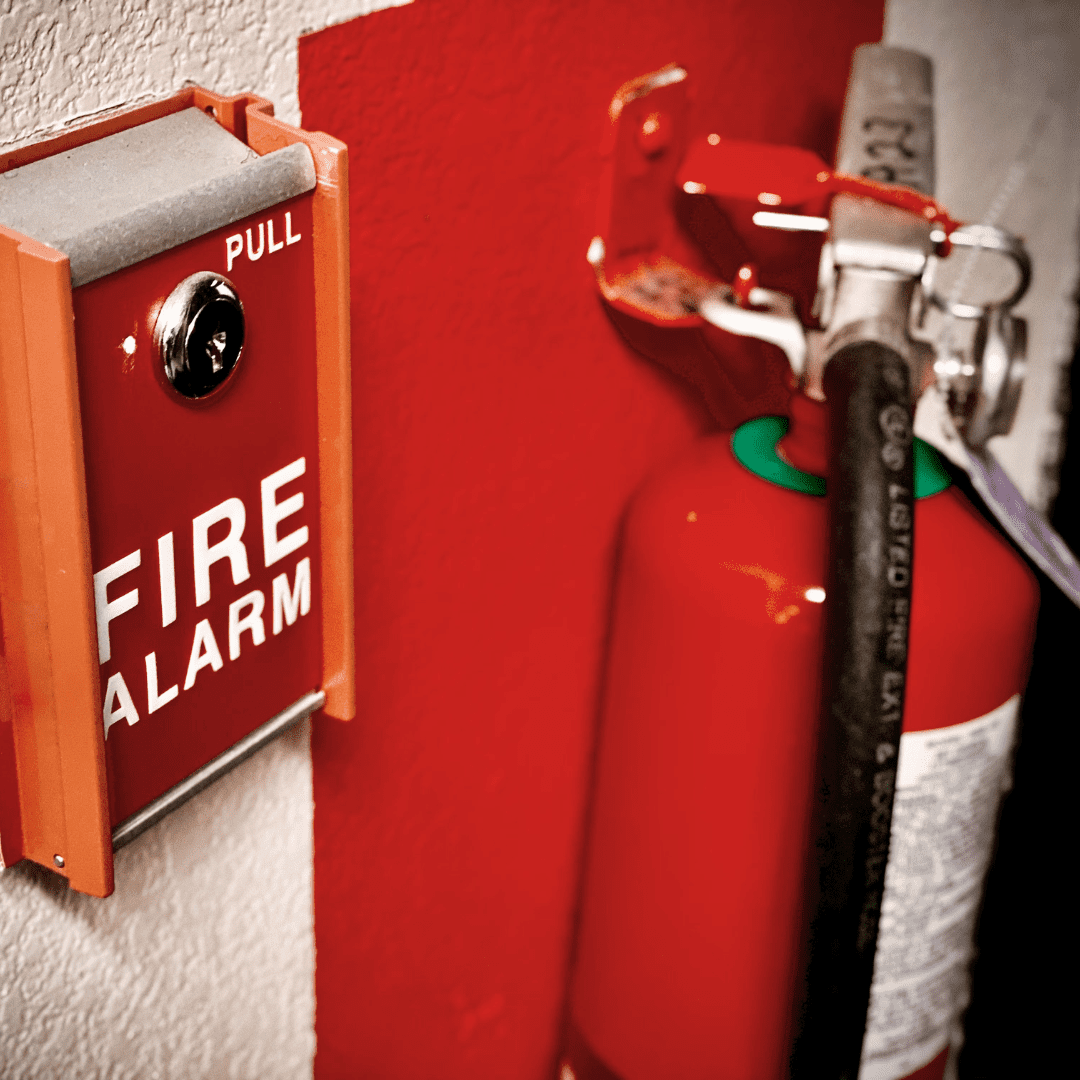
Implementing fire safety measures is crucial in preventing fires and minimizing damage. This includes installing smoke detectors, maintaining fire extinguishers, and having a clear evacuation plan. Fire safety measures are not just about compliance; they are about protecting lives and property from the devastating effects of fire.
Water Damage Prevention
Preventing water damage involves regular maintenance of plumbing systems and ensuring that roofs and windows are sealed properly. It’s also wise to have a water damage response plan in place, detailing steps to take immediately after water exposure. Preventive measures can significantly reduce the risk of water damage and its associated costs.
Conclusion
The interplay between fire and water damage underscores the complexity of disaster recovery. Understanding how these elements work together to exacerbate damage is essential for effective restoration. By engaging a professional fire and water damage restoration company, property owners can ensure that their homes and businesses are restored. In the face of such challenges, preparedness and prompt action are your best allies.
Whether it’s implementing preventive measures or knowing whom to call in the event of a disaster, being informed and ready can make all the difference. The integration of water and fire damage restoration efforts highlights the importance of a comprehensive and coordinated approach to recovery.
By taking proactive steps and engaging skilled professionals like us at Premier Restoration and Construction, property owners can navigate the challenges of fire and water damage with confidence and resilience. Give our team a call today for expert services that will protect your home for years to come.