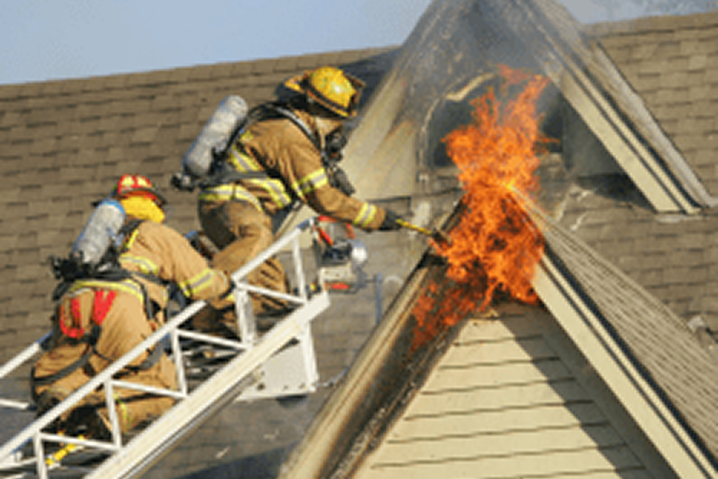
When a fire is put out, many property owners assume the damage is limited to the areas touched by flames. In reality, fire damage affects an entire structure almost immediately. Smoke, soot, heat, and water used during firefighting efforts all contribute to ongoing damage that must be addressed quickly. Fire damage restoration focuses on stabilizing the property and preventing these secondary effects from worsening over time.
We frequently assist property owners who are surprised by how far smoke and water traveled throughout their home or business. Even areas that appear untouched can contain residue, moisture, and odor that compromise indoor air quality and structural materials. Understanding what happens after a fire helps property owners make informed decisions during recovery.

The Role of Water Restoration After a Fire
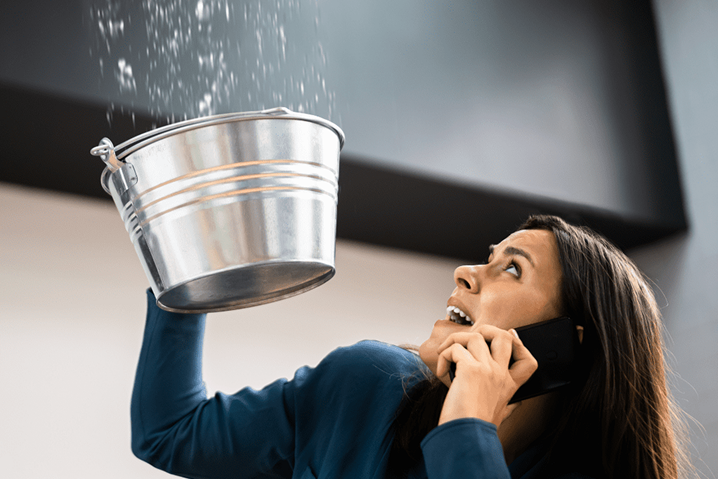
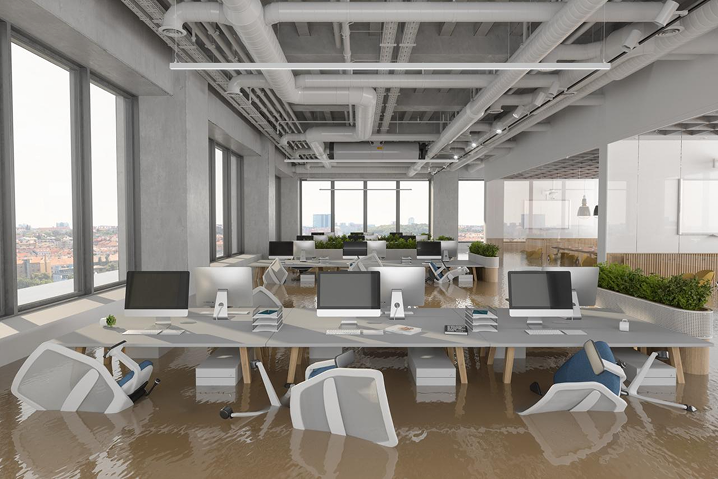
Water restoration is a critical part of fire damage repair services. Fire suppression introduces large volumes of water into the structure, often soaking walls, flooring, insulation, and electrical components. This water damage can be more extensive than the fire damage itself if not addressed promptly.
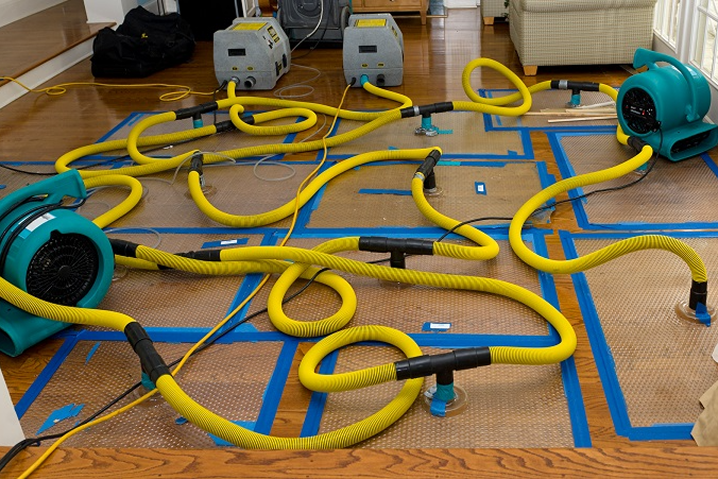
Water restoration involves extracting standing water, drying materials, and controlling humidity levels to prevent mold growth and further deterioration. Without proper water mitigation, moisture remains trapped inside the structure and creates additional problems that complicate fire restoration efforts.
Smoke and Soot Affect Every Surface
Smoke particles are microscopic and move quickly through a structure. They enter walls, ceilings, ventilation systems, and fabrics within minutes. Soot residue is acidic and begins damaging surfaces almost immediately. Metals corrode, plastics discolor, and finished materials degrade when residue is not removed.
Fire damage restoration includes specialized cleaning methods designed to neutralize and remove smoke and soot safely. Standard cleaning methods are not effective against these residues and may spread contamination further. Thorough smoke cleanup protects materials and improves indoor air quality.
Structural Assessment Is a Critical Step
Heat from a fire weakens building materials even when damage is not obvious. Wood framing can lose strength, metal components may warp, and concrete can crack due to extreme temperature exposure. These issues are not always visible without professional evaluation.
Fire damage restoration includes a detailed structural assessment to determine which components remain safe and which require repair or replacement. Addressing structural concerns early ensures the building can be restored safely and prevents future failures.

Odor Removal Is More Than Masking Smells
Smoke odors linger because particles embed deep into materials. Painting or masking odors does not eliminate the source and often leads to odors returning weeks later. Effective fire damage repair services include professional deodorization techniques that neutralize odors at their origin.
This process restores indoor air quality and allows occupants to return without persistent smoke smells. Proper odor removal is essential for both comfort and health.
Why Fire Damage Often Leads to Mold Issues
Water used during firefighting creates conditions where mold can develop quickly. Moisture trapped behind walls or beneath flooring allows mold growth to begin within days. Fire damage restoration often overlaps with mold remediation to address these risks.
Mold inspection may be necessary to identify hidden growth that is not visible. Addressing moisture and mold early prevents additional damage and protects occupants from health concerns related to mold exposure.
Fire Damage Repair Services Restore Function and Safety
Once cleanup and drying are complete, fire damage repair services focus on rebuilding and restoring affected areas. This may include replacing drywall, flooring, insulation, cabinetry, and structural components. Repairs are performed only after the structure is fully dry and stable to prevent future issues.
Proper sequencing ensures repairs last and that restored areas perform as intended. Rushing this stage often leads to recurring problems and unnecessary expenses.
The Importance of Acting Quickly After a Fire
Delaying fire damage restoration allows residue to bond permanently with surfaces and moisture to penetrate deeper into materials. Over time, damage becomes more difficult and costly to repair. Early action limits the spread of contamination and reduces the overall scope of restoration.
Prompt restoration also shortens recovery time and helps property owners return to normal operations sooner. Fire damage restoration is most effective when initiated as soon as the property is safe to enter.
How Professional Fire Restoration Protects Property Value
Fire damage affects property value long after visible repairs are completed. Lingering odors, hidden smoke residue, and unresolved moisture issues can lead to future problems. Professional fire damage restoration ensures these risks are addressed thoroughly and properly.
By restoring the structure and indoor environment correctly, property owners protect their investment and reduce the likelihood of future complications. Comprehensive restoration preserves both safety and long term value.
Navigating Fire Damage Recovery With Confidence
Fire damage recovery can feel overwhelming, but understanding the process makes it more manageable. Fire damage restoration involves coordinated steps that address smoke, water, structure, and repairs in the correct order. This approach ensures the property is restored safely and completely.
If your property experiences fire damage, acting quickly helps prevent secondary issues from developing. When fire damage occurs, contact us so our team at Premier Restoration and Construction can assess the damage, begin restoration, and guide you through the recovery process with care and professionalism.