Many property owners believe the worst part of water damage is the visible water itself. Once the floor looks dry and the leak is stopped, it feels like the problem is over. In reality, water damage continues long after surface moisture disappears. Water moves quickly into building materials and begins weakening the structure from the inside. Without proper water mitigation, moisture remains active behind walls, beneath flooring, and inside insulation.
As a water damage restoration company, we regularly see homes and commercial properties where water damage appeared minimal at first but later required extensive repairs. Water mitigation is the process that stops this hidden damage from spreading. It focuses on removing moisture completely and stabilizing the structure before secondary problems develop.

What Water Mitigation Really Means
Water mitigation is often misunderstood as basic cleanup. In reality, mitigation is a controlled process designed to limit damage, protect unaffected areas, and prevent long term structural issues. While cleanup removes visible water, mitigation targets moisture trapped inside materials.
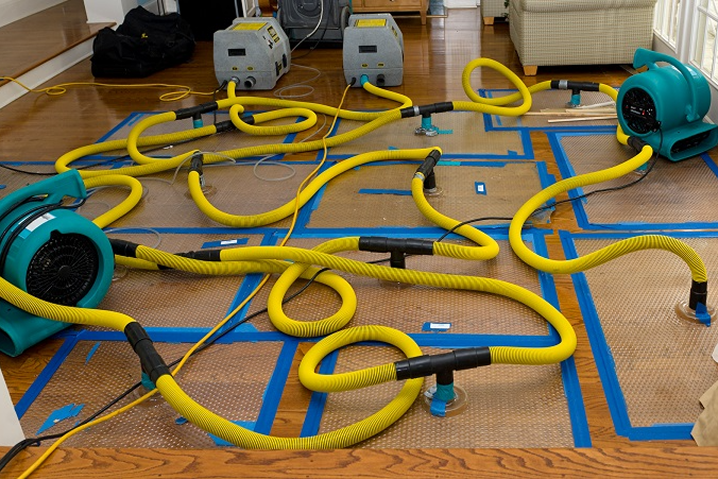
Effective water mitigation includes identifying the source of water, containing the affected area, extracting standing water, and controlling humidity levels. Industrial dehumidifiers and air movers are used to draw moisture out of walls, floors, and framing. This process prevents water from continuing to migrate throughout the structure.
Without proper mitigation, water damage restoration becomes far more complicated. Materials that could have been saved often need replacement when moisture remains untreated.
How Water Spreads Inside a Structure
Water does not stay confined to the area where it enters. It follows gravity, airflow, and porous building materials. Drywall absorbs moisture rapidly and spreads it upward through capillary action. Wood framing holds moisture and releases it slowly, prolonging exposure. Insulation traps water against structural components, accelerating deterioration.
In many cases, water travels horizontally along flooring and beneath walls before showing visible signs. By the time staining appears on ceilings or walls, the affected area is already much larger than expected. Water mitigation interrupts this movement and prevents damage from spreading deeper into the structure.
Why Delayed Action Leads to Structural Damage
When moisture remains in contact with building materials, it weakens them over time. Wood begins to soften and lose strength. Metal components corrode. Adhesives and fasteners fail. Subflooring can warp or separate, causing uneven floors and long term instability.
Water mitigation reduces the time materials remain wet, which directly limits structural damage. Delays allow moisture to penetrate deeper and affect load bearing components. What could have been resolved with targeted drying may turn into major reconstruction work. Fast mitigation protects the integrity of the structure and reduces the scope of water damage repair.

The Connection Between Water Mitigation and Mold Prevention
Mold growth is one of the most common consequences of untreated water damage. Mold spores are always present in the air, and moisture gives them the environment they need to grow. In warm conditions, mold can begin developing within days.
Water mitigation plays a critical role in mold prevention. By removing moisture quickly and controlling humidity, mitigation reduces the conditions that allow mold to spread. Without proper mitigation, water damage restoration often expands to include mold remediation, increasing both cost and recovery time.
Water Mitigation Versus Water Damage Repair
Water mitigation and water damage repair serve different purposes, though both are essential. Mitigation focuses on stopping damage from spreading. Repair focuses on restoring the property after damage has occurred.
When mitigation is done correctly, repairs are often limited to surface materials. When mitigation is delayed or incomplete, repairs become more extensive. Floors may need replacement, walls may require removal, and structural components may need rebuilding. Proper mitigation reduces the amount of repair work required and shortens the overall restoration timeline.
Why Professional Equipment Matters
Household fans and wet vacuums are not designed to remove moisture from inside structural materials. They may dry the surface, but moisture remains trapped beneath. Professional water mitigation relies on equipment designed to control airflow, temperature, and humidity precisely.
Moisture detection tools allow us to track drying progress and confirm when materials return to safe levels. This prevents premature rebuilding over wet surfaces, which often leads to recurring damage. Professional mitigation ensures water damage restoration is built on a stable foundation.
How Water Mitigation Protects Property Value
Water damage affects more than immediate comfort. It impacts long term property value. Hidden moisture can lead to recurring issues that resurface months later. Odors, mold growth, and structural weakness reduce market value and complicate future sales.
By investing in proper water mitigation, property owners protect their investment and avoid long term problems. Stabilizing the structure early allows water restoration to proceed correctly and preserves the property’s condition.
When Water Mitigation Is Most Critical
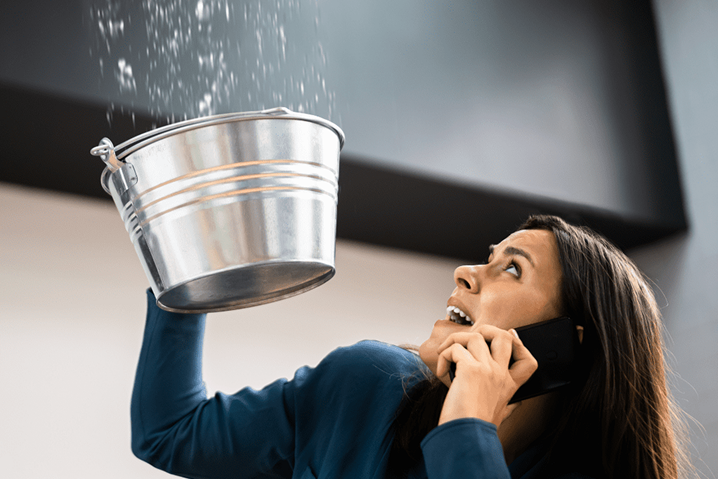
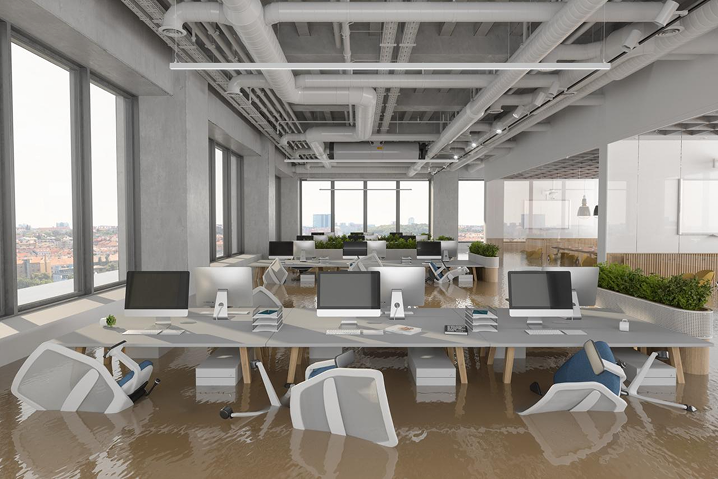
Certain situations demand immediate mitigation. These include burst pipes, appliance failures, roof leaks during storms, sewage backups, and flooding. Any time water enters walls, floors, or ceilings, mitigation should begin as soon as possible.
Waiting allows moisture to spread and increases the complexity of water damage restoration. Early action reduces drying time, repair costs, and disruption to daily life.

Why Experience Matters in Water Mitigation
Every water damage scenario is different. The source of water, the materials affected, and the structure of the property all influence how mitigation should be handled. Experience allows mitigation efforts to be adjusted based on conditions rather than relying on a one size approach.
As a water restoration company, we focus on stopping damage at the source and protecting the structure before repairs begin. This approach leads to better outcomes and faster recovery.
Protecting Your Property Starts With the Right Response
Water damage can escalate quickly, but it does not have to lead to major structural repairs. Proper water mitigation stops moisture from spreading, reduces repair needs, and protects the integrity of the property. Understanding the difference between cleanup and mitigation helps property owners make informed decisions when water damage occurs.
If your property experiences water intrusion, taking action early makes a measurable difference. When leaks, flooding, or water damage occur, contact us so our team at Premier Restoration and Construction can begin water mitigation quickly and help protect your property from long term damage.